Services
Facial Pain
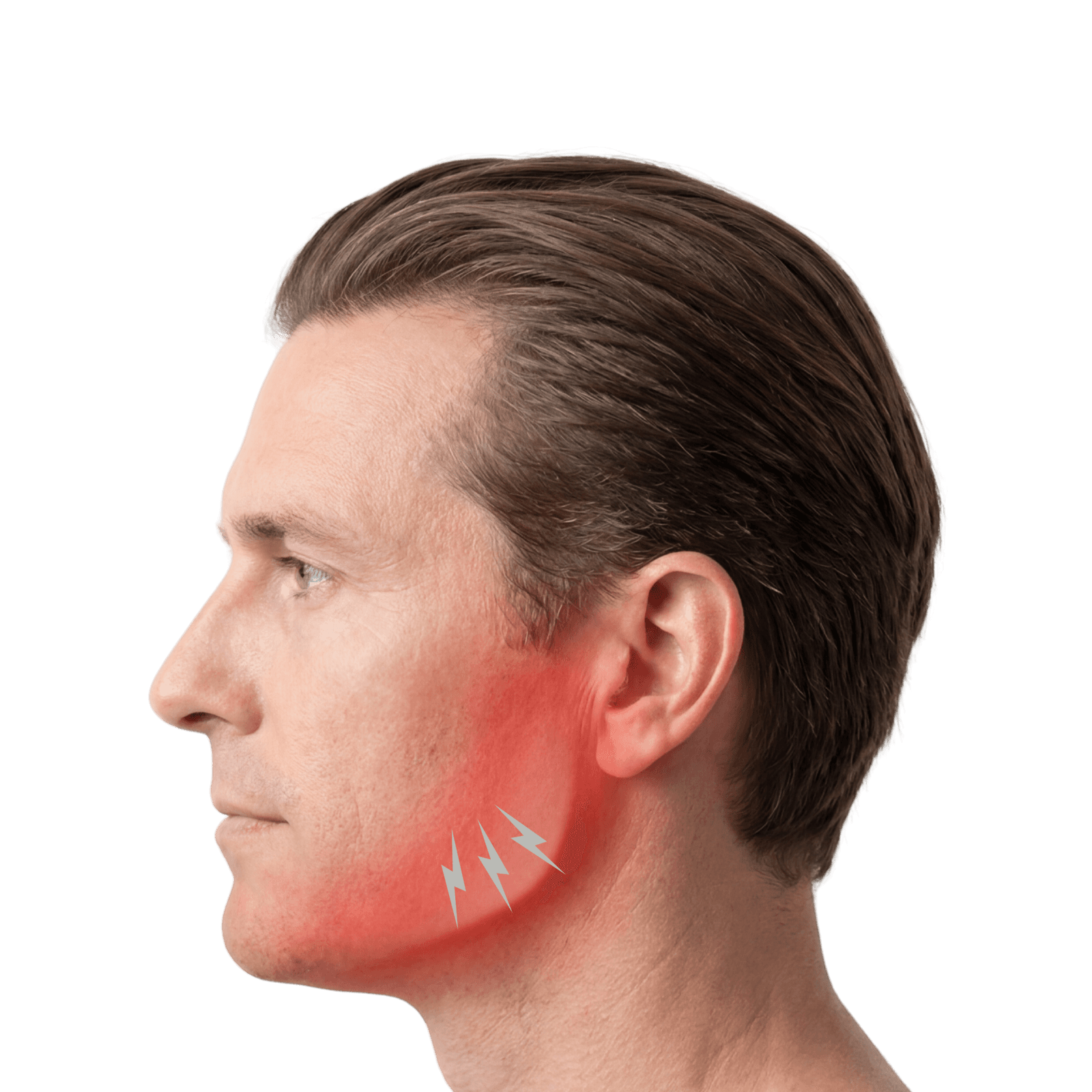
Thoughtful, non-surgical management for complex facial pain, focused on improving comfort, clarity, and confidence in everyday activities.
Understanding Facial Pain
Facial pain can arise from multiple sources and may feel sharp, burning, aching, or persistent. Because symptoms often overlap and may not follow clear patterns, careful evaluation is important to understand contributing factors and avoid unnecessary procedures.
Management focuses on clarifying pain mechanisms, identifying triggers, and supporting symptom control through conservative, individualized strategies that prioritize comfort, function, and daily quality of life.
What makes facial pain difficult to diagnose?
Facial pain can originate from multiple systems and often overlaps with headache, jaw pain, or nerve-related symptoms. This complexity is why patients frequently see several providers before receiving clear answers.
Is facial pain always nerve-related?
No. While some facial pain involves nerves, other types may be muscular, joint-related, or related to how pain is processed by the nervous system.
Why does facial pain sometimes feel unpredictable?
Triggers such as talking, chewing, temperature changes, or stress can influence symptoms differently from day to day, making patterns difficult to recognize without careful evaluation.
Why do some treatments fail to help facial pain?
When the underlying source of pain isn’t fully understood, treatments may target the wrong system. Identifying contributing factors helps avoid unnecessary or ineffective procedures.
Why is individualized assessment important for facial pain?
Because facial pain varies widely, thoughtful evaluation allows care to be tailored to the patient rather than applying a standard approach that may not address the true source of symptoms.
Pre-Trigeminal Neuralgia
Pre-trigeminal neuralgia involves early facial nerve pain that may start subtly and change in intensity or pattern over time.
Trigeminal Neuralgia
Trigeminal neuralgia causes sudden, intense facial pain that may feel electric or stabbing and can be triggered by everyday activities like talking or chewing.
Continuous Neuropathic Pain
Continuous neuropathic pain is ongoing nerve-related pain that does not fully go away and may interfere with daily activities.
Burning Mouth Syndrome
Burning mouth syndrome causes ongoing burning, tingling, or scalding sensations in the mouth without visible changes to the tissues.
Glossopharyngeal Neuralgia
Glossopharyngeal neuralgia causes sudden pain in the throat, tongue, ear, or jaw area, often triggered by swallowing or speaking.
Geniculate Neuralgia (Nervus Intermedius)
Geniculate neuralgia causes deep ear pain that may be sharp or aching and is linked to irritation of specific facial nerves.
Red Ear Syndrome
Red ear syndrome causes episodes of burning pain, warmth, and redness of the ear, sometimes linked to headaches or nerve conditions.
Post-Herpetic Neuralgia
Post-herpetic neuralgia is ongoing nerve pain that continues after a shingles infection has healed.
First Bite Syndrome
First bite syndrome causes sharp facial pain with the first bite of food, often easing as eating continues.
Persistent Post-Traumatic Neuropathic Pain
Persistent post-traumatic neuropathic pain develops after an injury and continues beyond normal healing, often involving nerve sensitivity.
Persistent Idiopathic Neuropathic Pain
Persistent idiopathic neuropathic pain involves chronic nerve pain when no clear cause can be identified.
Persistent Idiopathic Dentoalveolar Pain
Persistent idiopathic dentoalveolar pain causes long-lasting tooth or jaw pain without a dental explanation.
Occipital Neuralgia
Occipital neuralgia causes pain at the back of the head or neck that may radiate upward, related to irritation of the occipital nerves.
Contact Us
A Clear Path to Care
- Schedule your consultation
- Receive a personalized care plan
- Move forward with confidence toward relief